STORIES FROM THE WILD · LESSONS FROM THE WILD #1
Slow down to speed up
A while ago, the founder and CEO of a large Dutch company told me about a moment on a trail that I still think about.
His business was facing a major, high-stakes problem. He did what most capable leaders do: he worked harder. Longer days. More meetings. More thinking. But the problem didn’t go away. The harder he pushed, the more stuck he felt.
Eventually he found the courage to step away from it altogether, and joined a leadership trail in South Africa.
It took a few days to land
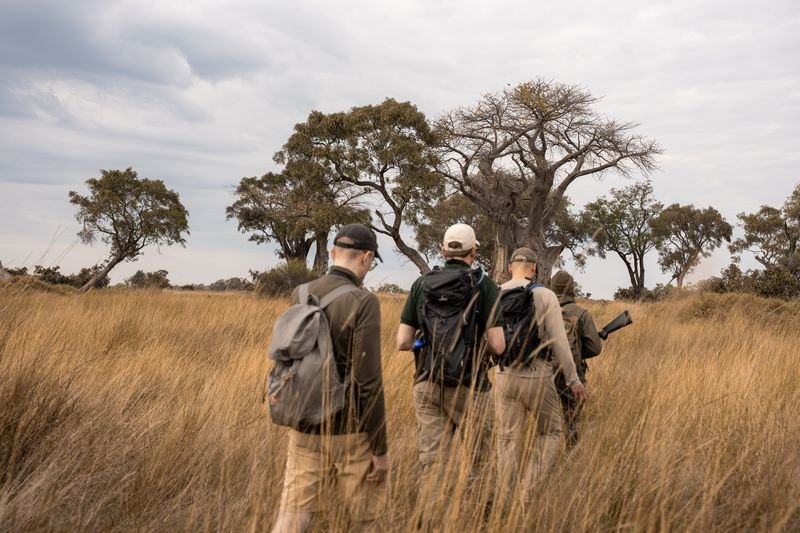
Disconnecting didn’t happen overnight. For the first days, his mind was still back home: in the boardroom, the inbox, the problem. But with no email, no phone and no agenda, something began to shift. Long walks. Tracking wildlife. Stories around the campfire. Nights sleeping under the stars. As the mental noise faded, so did the urge to do something.
Waking up with the answer
Then, in the early hours of one morning, it happened. He woke up in his sleeping bag with a sudden, unmistakable clarity. The solution wasn’t a small improvement. It was obvious. Simple. Complete. Far from spreadsheets, board meetings and pressure, he saw exactly what needed to change in his company.
Why thinking harder doesn’t work
I recognise his story, and I suspect you might too. Many of us spend most of the day in our heads: planning the future, replaying the past, solving problems. These are useful skills. But when everything happens at the level of thinking, it becomes hard to hear the quieter signals.
I call those signals our body intelligence. Some call it intuition. It holds a lot of wisdom, but it speaks softly, and it needs space to be heard.
Without that space, the rational mind takes over. It believes it’s acting in our best interest, but often it’s choosing based on fear, old patterns, childhood conditioning or what others expect of us. No wonder we sometimes end up in places we never meant to go.
Important decisions about your career, your leadership, your relationships or your direction rarely come from more thinking alone. They need you to be present enough to respond from clarity, rather than react on autopilot.
And in daily life, being present is hard. There’s always another meeting, another notification, another obligation.
What the wild does that a meeting room can’t
There’s something about being in wild nature, away from screens, schedules and the noise of ordinary life, that thinking alone can’t replicate.
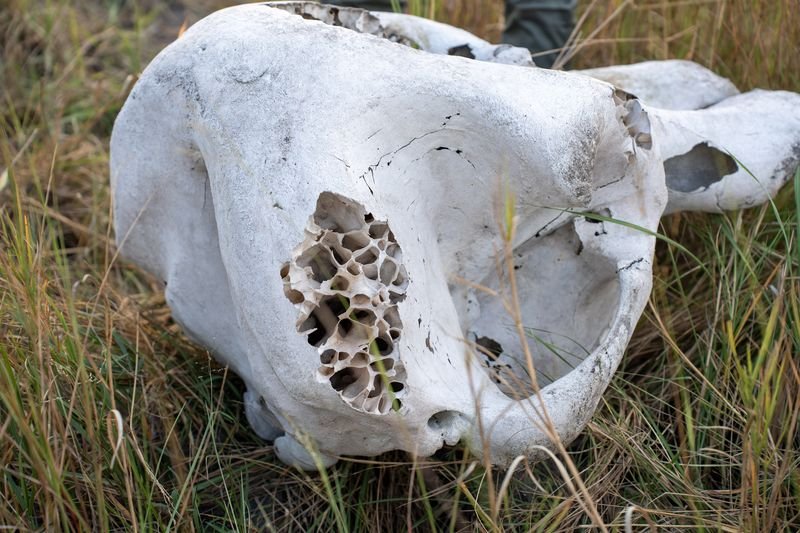
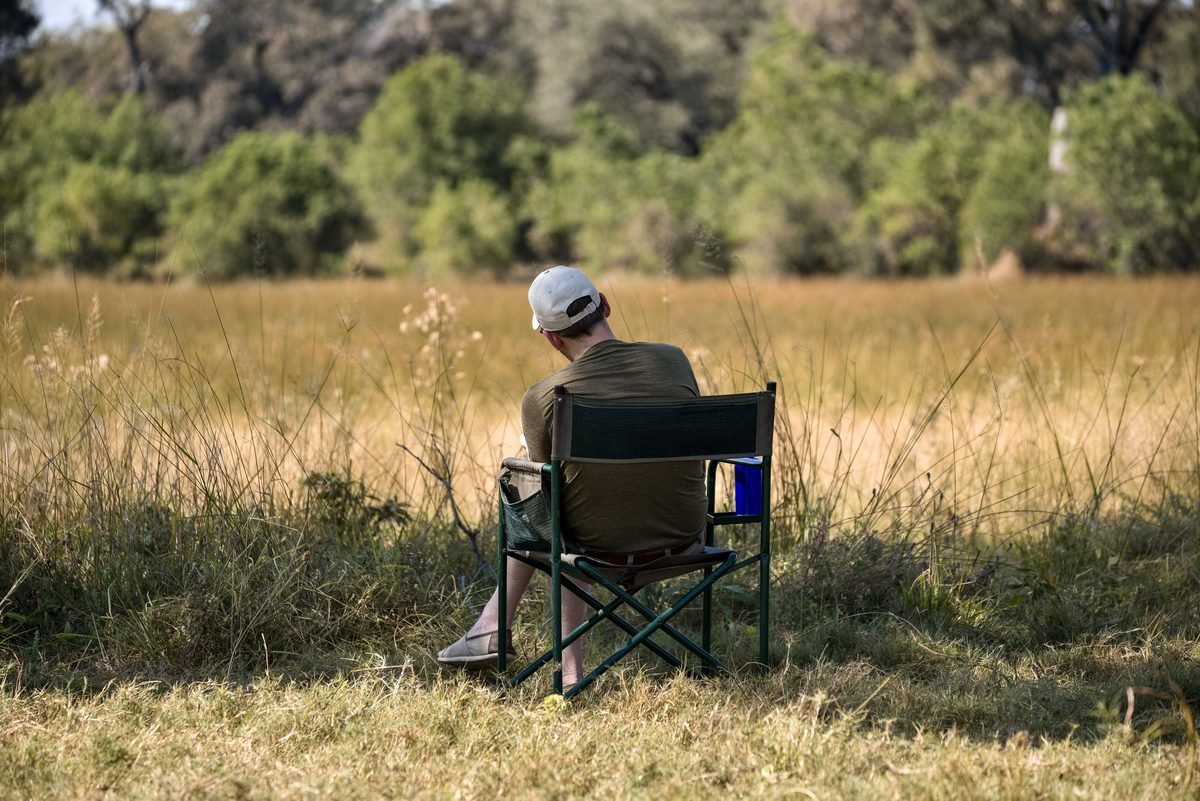
When you track an elephant on foot at dawn, you have to be fully there: reading the sand, listening for a branch snapping, feeling where the wind comes from. When you sit in silence as the Delta comes alive around you, there’s simply no room for the endless loop of thoughts. The mental chatter quiets. And what actually matters becomes clearer.
That’s why I use the wilderness deliberately in my work. Not as a backdrop, but as a teacher. Participants on our trails describe the same thing: clarity on decisions they’d been circling for months, a renewed sense of direction and, in the words of one participant, “feeling more alive than I had in years.”
Questions to sit with
You don’t need to be in Botswana to start. Next time you feel stuck, ask yourself:
- Where am I pushing harder, when what I need is to step back?
- When did I last give myself a few hours without a screen, a plan or a goal?
- If my mind went quiet for a moment, what would I already know?
Sometimes the fastest way forward isn’t to push harder. It’s to slow down enough to finally see.