STORIES FROM THE WILD · LESSONS FROM THE WILD #2
The circle of life
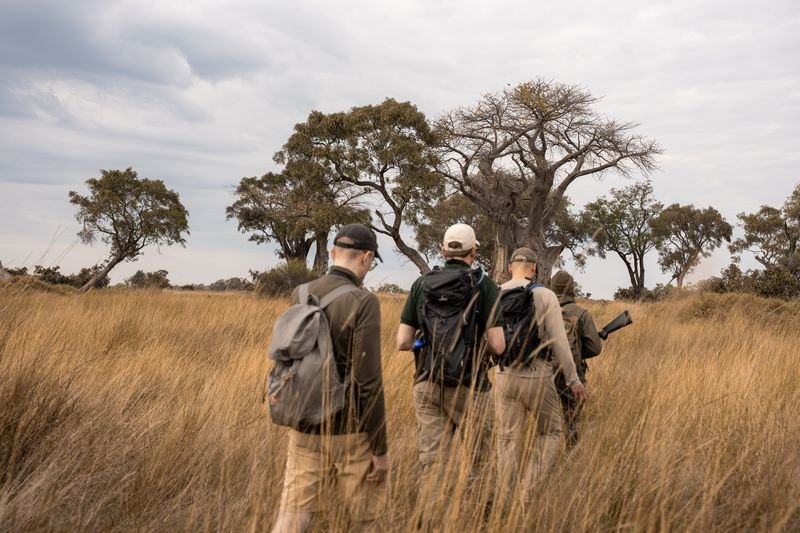
On a trail in the Okavango Delta, we heard it before we saw anything: the unmistakable “whoop” of hyenas in the distance. High above us, white-backed vultures were circling.
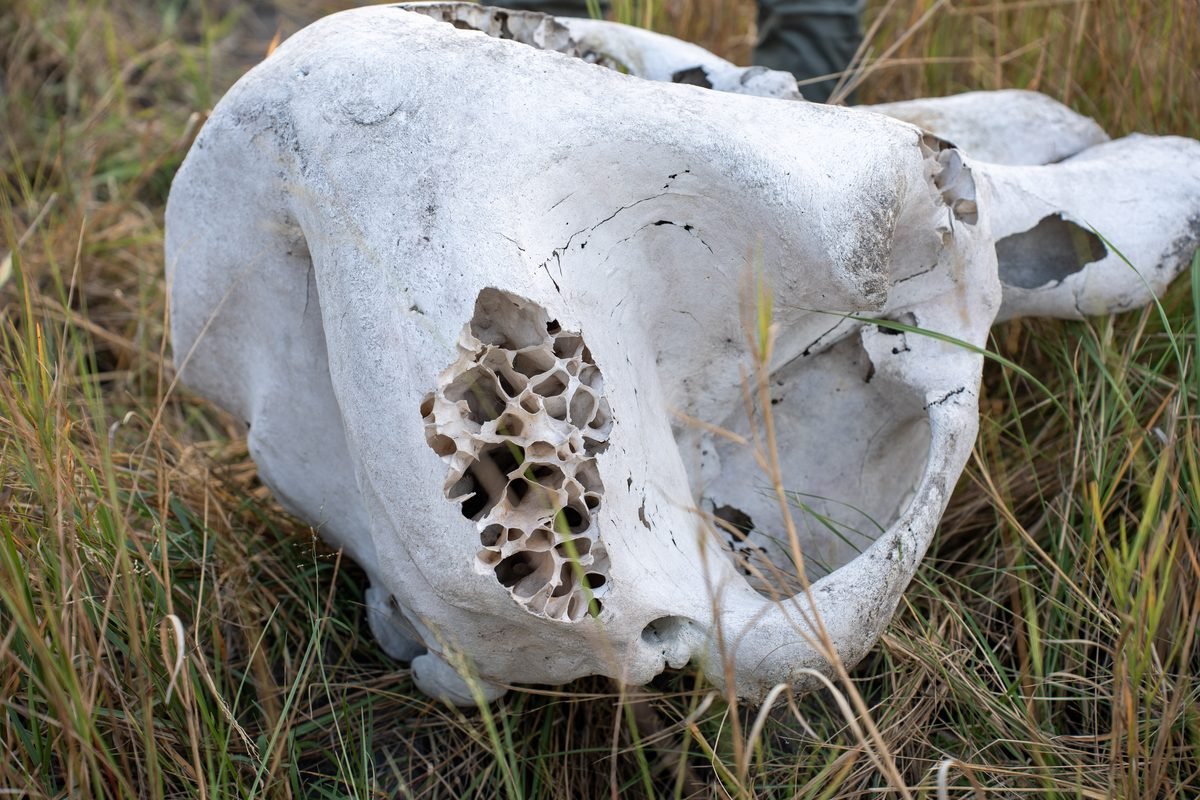
We decided to investigate. As we got closer, the smell reached us first, the strong, penetrating smell of decay. Then we found him: a large elephant bull, lying on his side in the grass. He had most likely died of old age.
An ending that feeds new life
There was sadness in that moment. But there was also a deep sense of peace in witnessing the circle of life unfold in front of us. This one death would feed hyenas, lions and vultures for days. Nothing would go to waste. An ending, creating new beginnings.
Standing there in silence, it struck me how different this is from the way we usually lead our lives and our organisations.
Why we hold on
As leaders, we often cling to roles, identities and ways of being that once served us well. We fear endings. We fear losing our status, our certainty, and our sense of who we are.
So we hold on, sometimes long after something has stopped working. The job that no longer fits. The title that once defined us. The version of ourselves that got us here, but won’t get us where we want to go next.
I see this tension often in the people I work with: successful people at a crossroads. They sense that their old identity no longer fits, but they’re unsure what comes next. And so they stay in between, holding on to the old while longing for the new.
What nature teaches us
The wild has a different relationship with endings. Everything moves in cycles. The floodwaters arrive in the Delta, spread across the plains and recede again. Grass burns and grows back greener. Old trees fall and become home to new life. Nothing is permanent, and nothing is wasted.
Nature doesn’t rush past an ending, and it doesn’t cling to it either. It honours what has been, and makes room for what comes next.
Letting go to move forward
That’s the invitation I believe the wild offers us: to honour what has been without clinging to it. To grieve what needs grieving, and then create space for what wants to emerge.
Sometimes moving forward doesn’t require more effort. It requires letting go.
Questions to sit with
- What in my life or work has quietly come to an end, even if I haven’t admitted it yet?
- What am I holding on to out of fear rather than conviction?
- If I let it go, what might it make room for?
If these questions resonate, you may already know: something is ready to change.